The Evolution of the Crochet Pattern: From Analog Instruction to Digital Asset
In the rapidly shifting landscape of creative industries, where digital automation often threatens to overshadow human craftsmanship, there remains a robust sector that is redefining its own value proposition. This is the realm of the Crochet Pattern. While traditionally viewed strictly through the lens of hobbyist pastime or artisanal craft supply, the modern iteration of this concept has transcended simple instructions for yarn manipulation. It has evolved into a sophisticated data structure, a vehicle for intellectual property, and a critical component of the "maker economy."
To understand the current trajectory of this industry, one must look beyond the hook and the fiber. The Crochet Pattern is no longer just a piece of paper with stitch counts; it is a complex blueprint that bridges the gap between abstract design and tangible reality. For professionals, entrepreneurs, and creators, recognizing the strategic depth of this format is essential for navigating the future of creative commerce.
Redefining the Core Concept
At its most fundamental level, a Crochet Pattern serves as a set of technical specifications. However, viewing it merely as a recipe misses the nuance required by today's market. In a professional context, a pattern represents a standardized workflow. It dictates the tension, the gauge, the structural integrity, and the aesthetic outcome of a project. Just as architectural blueprints guide the construction of skyscrapers, high-quality patterns guide the creation of wearable art, home decor, and even functional industrial prototypes made from textile polymers.
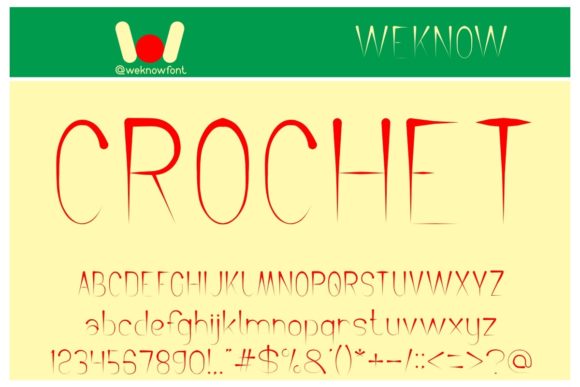
The transition from traditional printed booklets to digital formats has revolutionized how these patterns are consumed and utilized. Modern digital patterns often include embedded video tutorials, interactive diagrams, and version control features that allow users to track modifications. This shift reflects a broader demand for precision and accessibility in creative workflows. The clean, thin lettering style often associated with premium design fonts—reminiscent of the aesthetic described in the prompt—mirrors the clarity required in modern technical documentation. A well-formatted pattern reduces cognitive load, allowing the creator to focus on execution rather than deciphering ambiguous instructions.
The Convergence of Lifestyle and Technology
The surge in attention surrounding the Crochet Pattern is not an isolated phenomenon; it is part of a larger cultural movement towards mindfulness, sustainability, and personalized consumption. As consumers become increasingly weary of mass-produced, fast-fashion goods, there is a growing preference for items that tell a story and possess unique provenance. The Crochet Pattern empowers individuals to participate in this shift, transforming them from passive buyers into active producers.
For marketers and brand strategists, this presents a compelling opportunity. The narrative of "making" resonates deeply with modern audiences who value authenticity. When a brand releases a Crochet Pattern, they are not just selling a product; they are selling an experience and a community. This aligns perfectly with the trend of experiential marketing, where engagement is prioritized over transaction.
Furthermore, the technological integration of patterns is reshaping the manufacturing possibilities. We are seeing the emergence of algorithms that can generate Crochet Patterns based on 3D models. This fusion of computer science and textile arts allows for the rapid prototyping of complex geometries that would be impossible to draft manually. This technology is particularly relevant for designers looking to push the boundaries of form and function, creating structures that mimic organic growth or architectural complexity.
Changing Needs and Professional Workflows
The expectations of the creative workforce have shifted dramatically. Professionals in the textile and fashion sectors now require tools that offer flexibility and scalability. The old model of static, linear instructions is being replaced by dynamic, modular systems. A modern Crochet Pattern might include:
- Adaptive Sizing Algorithms: Allowing the user to input specific measurements to automatically adjust the stitch count.
- Material Agnosticism: Instructions that work across different fiber types, provided the gauge is adjusted accordingly.
- Collaborative Versioning: Cloud-based platforms where multiple designers can refine a single pattern simultaneously.
This evolution addresses the need for efficiency without sacrificing the bespoke nature of the craft. Entrepreneurs leveraging these advanced patterns can scale their production capabilities while maintaining the perceived value of handmade quality. This is crucial for freelancers and small business owners who operate on thin margins but must compete with large-scale retailers.
The Business of Creative Assets
From an economic perspective, the Crochet Pattern has emerged as a distinct class of intellectual property. In the digital age, the ability to distribute a pattern globally instantaneously creates a revenue stream that is decoupled from physical inventory costs. This "digital asset" model is highly attractive to investors and creators alike. It allows for a passive income generation mechanism that scales infinitely.
However, the protection and monetization of these assets require a nuanced understanding of copyright and licensing. As patterns become more complex and integrated with software, the lines between artistic expression and code blur. Professionals in this space must navigate these legal landscapes carefully, ensuring that their Crochet Patterns are protected while remaining accessible to the communities that drive their value.
The rise of subscription-based pattern libraries further illustrates this trend. Instead of purchasing individual designs, enthusiasts and professionals subscribe to platforms that offer unlimited access to a vast library of vetted, high-quality patterns. This model fosters long-term customer relationships and provides a steady cash flow for content creators, stabilizing the financial ecosystem of the craft industry.
Future Outlook and Strategic Implications
Looking forward, the relevance of the Crochet Pattern will only deepen as we move towards more sustainable and localized production methods. The ability to print or knit digital files locally reduces the carbon footprint associated with global shipping logistics. This aligns with the urgent global demand for green practices in manufacturing.
Moreover, the aesthetic influence of these patterns is permeating other design disciplines. The intricate, interlocking structures found in crochet are inspiring architects, graphic designers, and product developers. The visual language of crochet—characterized by its texture, rhythm, and organic flow—is becoming a staple in contemporary design trends. The "clean, thin lettered" aesthetic often used to present these patterns mirrors the minimalist yet bold design sensibilities currently dominating the tech and lifestyle sectors.
Key Insight: The Crochet Pattern is no longer just a tool for making clothes; it is a medium for communication, a vehicle for innovation, and a cornerstone of the new creative economy. Its simplicity belies its profound impact on how we produce, consume, and value handmade goods.
Conclusion
As we stand at the intersection of tradition and innovation, the Crochet Pattern stands out as a testament to the enduring power of human creativity enhanced by technology. For professionals, creators, and entrepreneurs, embracing this evolution means more than just learning a new skill; it requires adopting a mindset that values precision, adaptability, and the strategic deployment of creative assets.
The future belongs to those who can harness the potential of these digital blueprints to create meaningful connections and tangible results. Whether you are a freelancer seeking to diversify your portfolio, a marketer looking to engage a niche audience, or an entrepreneur building the next generation of craft platforms, understanding the dynamics of the Crochet Pattern is paramount. By integrating these insights into your workflow, you position yourself at the forefront of a movement that celebrates the beauty of making in a digital world.
The journey from a simple loop of yarn to a complex digital asset is a powerful reminder that even the most analog of crafts can thrive in the most digital of times. The Crochet Pattern continues to evolve, proving that with the right approach, the past and the future can coexist beautifully.